





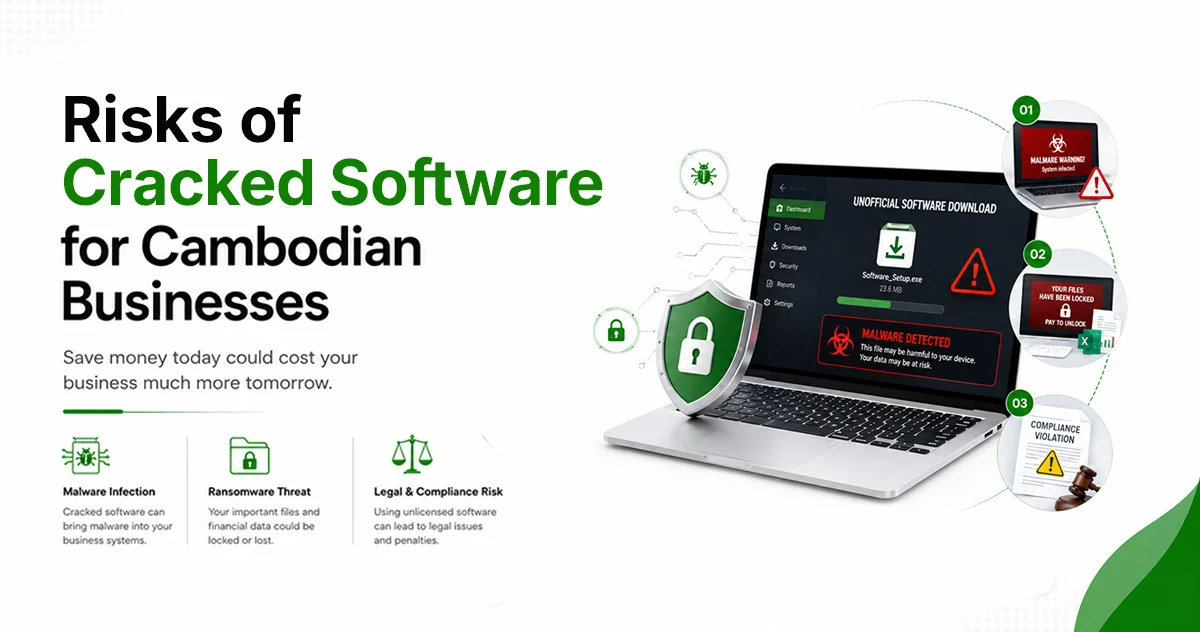
A Cambodian SME buys accounting software to manage invoices, payroll, and tax records. To reduce costs, someone installs a cracked version from an unofficial website. At first, it looks like a smart saving. The software opens, the reports work, and the company avoids paying a license fee.
But behind that “free” software may be malware, hidden backdoors, stolen passwords, ransomware, and legal exposure. The risks of cracked software are not only technical problems; they can become business problems that affect cash flow, customer trust, tax records, and daily operations.
This article explains what cracked software is, why it is dangerous for Cambodian businesses, and how malware, ransomware, legal penalties, missing security updates, and data loss can cost far more than a legitimate software license.
What Is Cracked Software? Risks of Cracked Software Explained
Cracked software is paid software that has been illegally modified to bypass licensing or activation. In simple terms, it is software that someone has “broken” so users can install it without paying the official vendor.
Common examples include:
- Cracked accounting software
- Pirated ERP systems
- Unlicensed Microsoft Office
- Fake software installers from unofficial download sites
- “Activated” software sold at unusually low prices
For business owners, the problem is not only that the software is illegal. The bigger issue is that cracked software often comes from unknown sources. You do not know who modified it, what code was added, or whether it secretly installs malware.
In many price-sensitive markets, including Cambodia and parts of Southeast Asia, some businesses still view cracked software as a shortcut to reduce expenses. But for accounting, payroll, tax, ERP, and customer data, this shortcut can create serious operational and security risks.
Risk #1 — Malware and Virus Infections
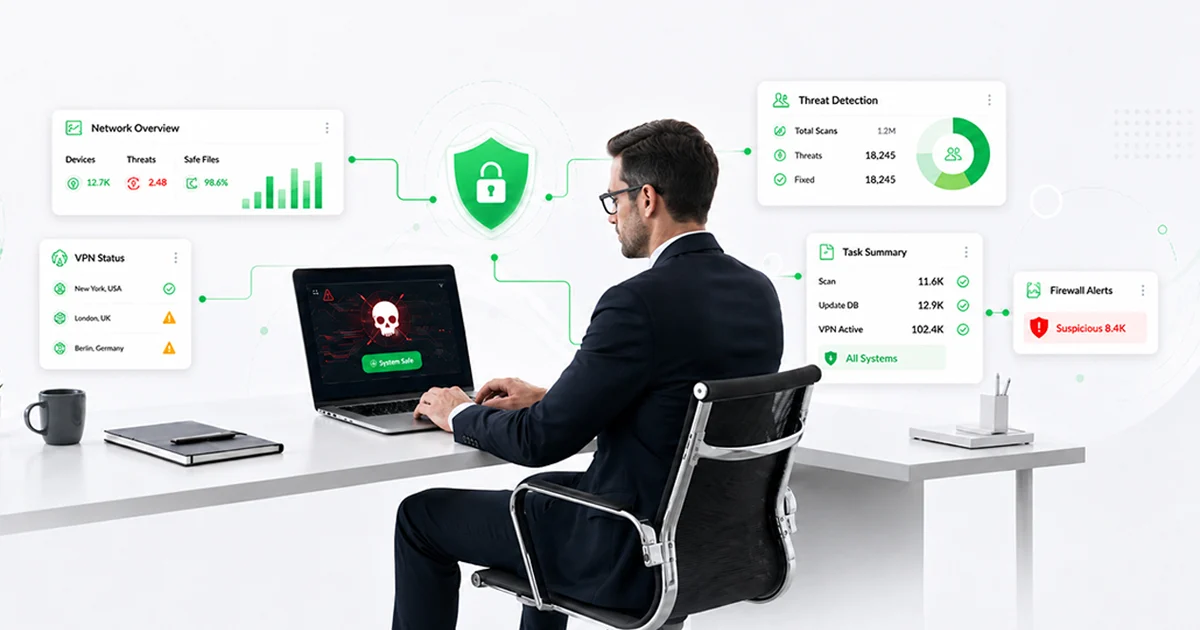
Cracked software is one of the easiest ways for cybercriminals to deliver malware. When a user downloads a “free” version of paid software, they may also install hidden programs that steal information, monitor activity, or damage files.
Malware from pirated software can:
- Steal saved passwords from browsers
- Capture banking or accounting system login details
- Install spyware that monitors business activity
- Add the computer to a botnet
- Open a backdoor for future attacks
- Spread through shared office networks
The danger is especially high for finance teams because accounting computers often contain sensitive records: bank transactions, customer lists, payroll details, supplier invoices, and tax documents.
In a Kaspersky article, “What happens to your computer when you download pirated software,” Kaspersky explains how cracked versions of programs such as Microsoft Office, AutoCAD, SketchUp, and other tools can expose users to malware and other hidden risks. Microsoft also warns in “Extortion and ransomware drive over half of cyberattacks” that cybercriminals increasingly use malware, stolen credentials, and ransomware to target organizations for financial gain.
Business example: A company installs a cracked accounting tool on one finance computer. Malware steals email credentials. Attackers later access supplier invoices, change payment instructions, and the company transfers money to the wrong bank account. The original “saving” becomes a financial loss.
Risk #2 — Ransomware and Crypto Viruses
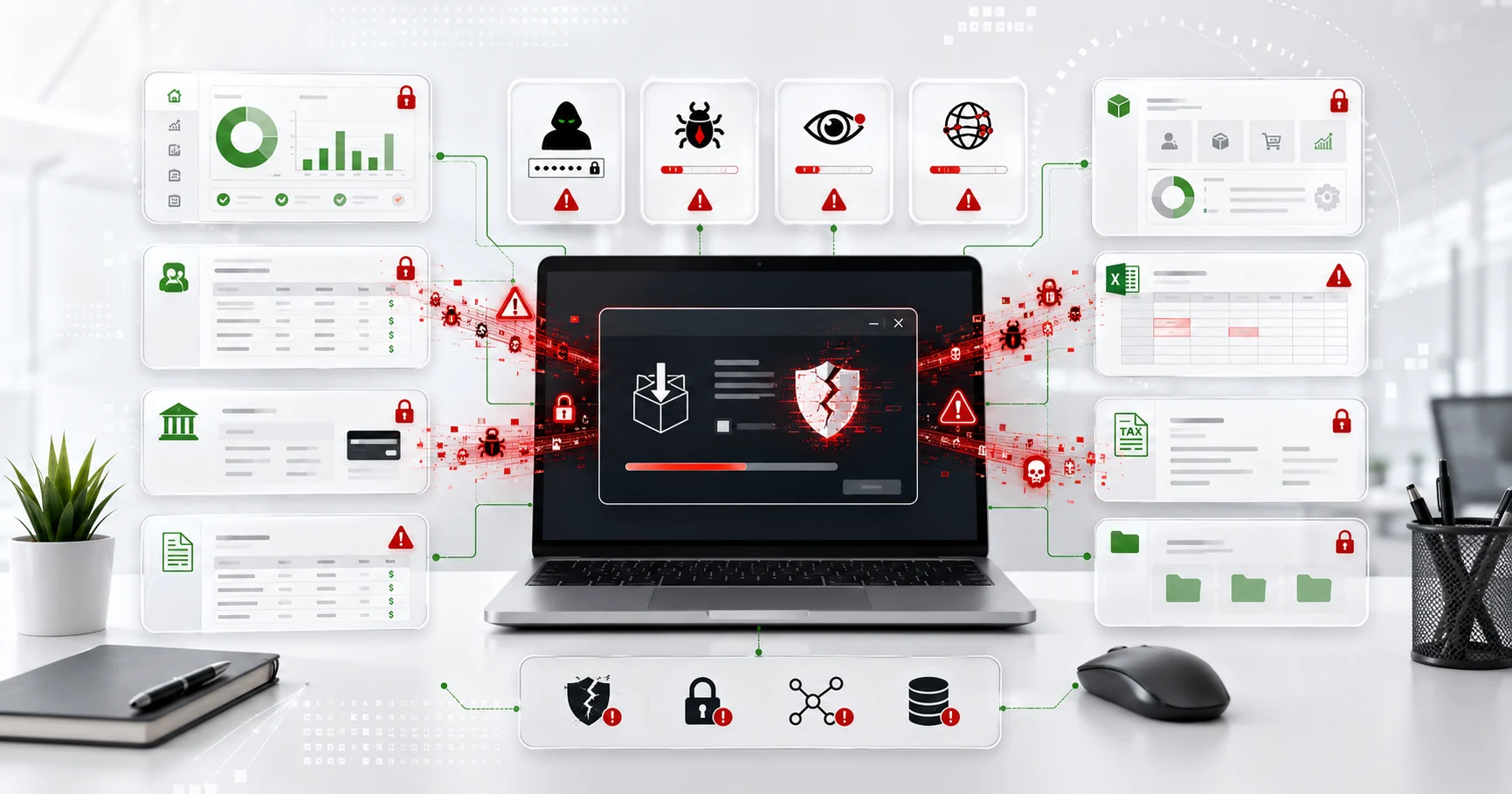
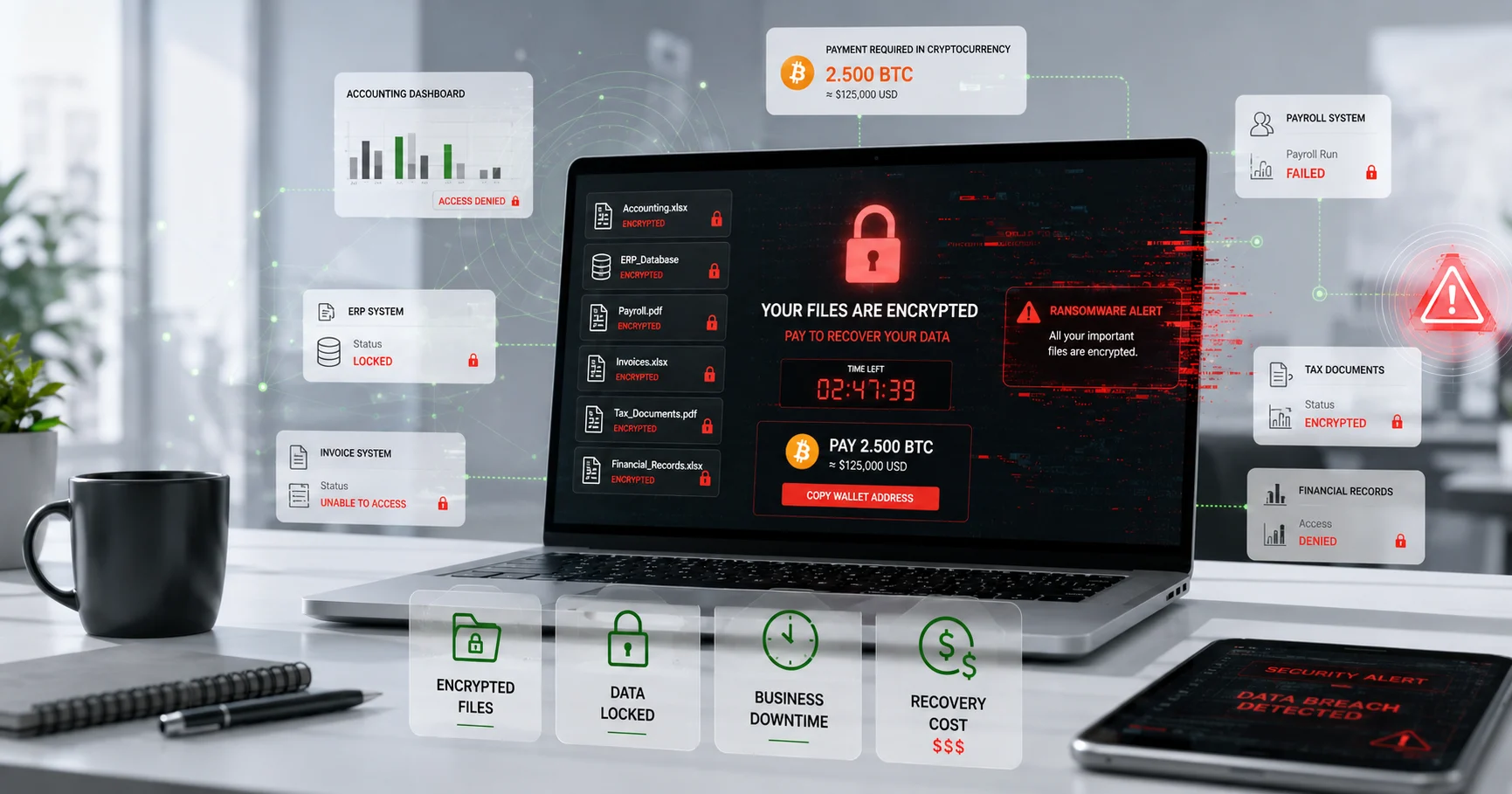
Ransomware is one of the most serious risks for any business using cracked software. It is malicious software that locks or encrypts files, then demands payment to restore access. A crypto virus is a type of ransomware that encrypts documents, databases, backups, and shared folders.
For a Cambodian SME, a ransomware attack can mean:
- Accounting files become unreadable
- Payroll records are locked
- Invoices and tax documents cannot be accessed
- Staff cannot serve customers properly
- Business operations stop for days or weeks
- The attacker demands payment, often in cryptocurrency
According to the CISA #StopRansomware Guide, organizations should prepare before an incident by strengthening backups, user awareness, incident response planning, and system security. INTERPOL’s Cybercrime – Our Response page also highlights ransomware, malware, online scams, and business email compromise as major cybercrime threats affecting organizations globally.
Microsoft’s Digital Defense Report notes that more than half of cyberattacks with known motives were driven by extortion or ransomware. For business leaders, this means ransomware should be treated as an operational risk, not only an IT issue.
What ransomware can cost your business:
- Downtime – staff cannot work because files and systems are locked.
- Recovery cost – IT recovery, data restoration, system rebuilding, and security cleanup may be required.
- Data loss – some files may never be recovered, especially if backups are also encrypted.
- Reputation damage – customers may lose trust if their data is exposed or operations are disrupted.
- Compliance pressure – lost accounting or tax records can create reporting and audit difficulties.
Risk #3 — Legal and Compliance Consequences
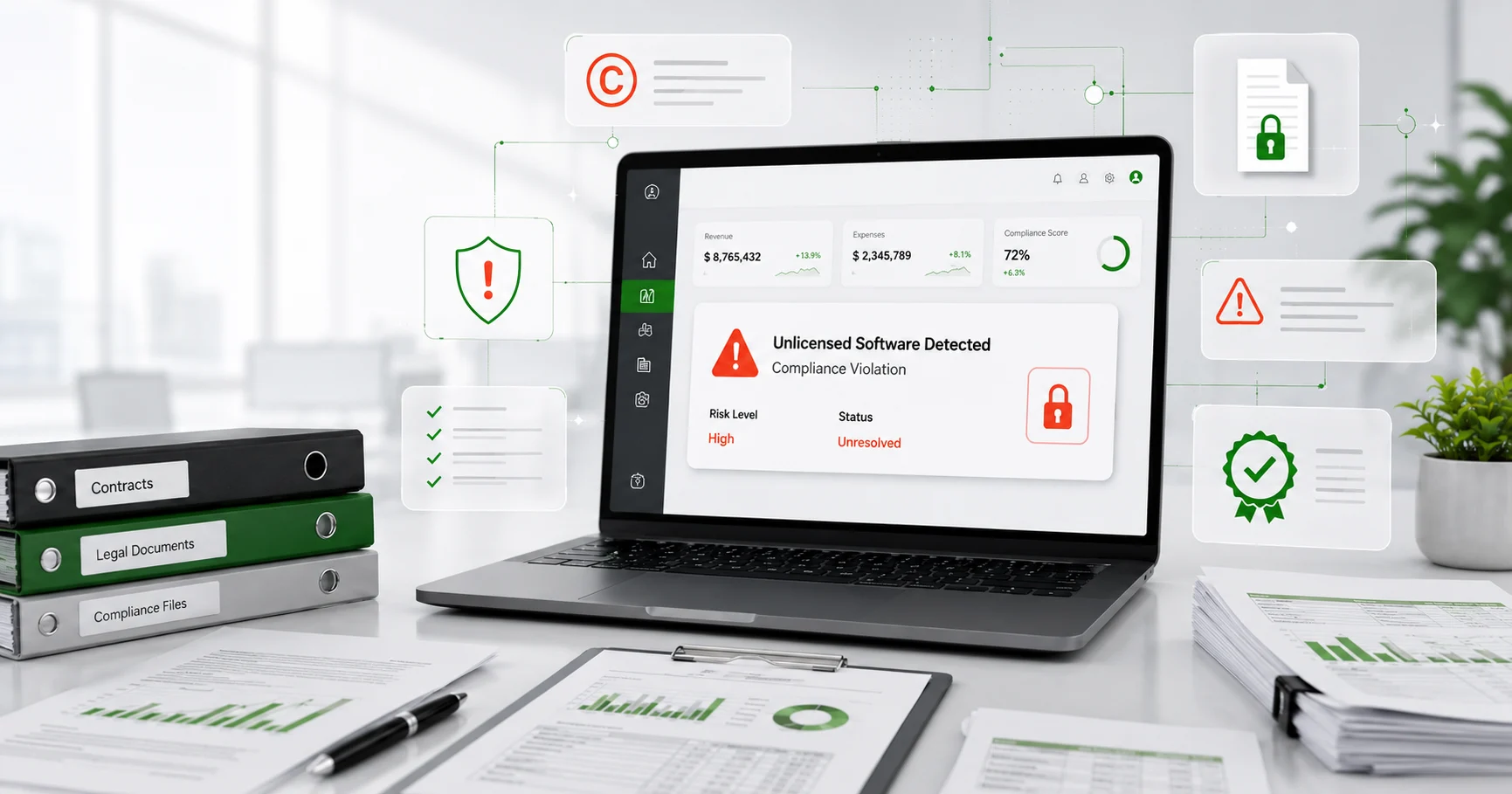
Using cracked software may expose a business to copyright infringement, audit risk, and reputational damage. For companies that serve corporate clients, NGOs, government projects, or international partners, software compliance is also a trust issue.
According to BSA Compliance Solutions, unlicensed and counterfeit software use is a global problem, and malware from unlicensed software costs companies nearly USD 359 billion per year. This shows that software piracy is not only a legal issue; it can also become a serious cybersecurity and financial risk for businesses.
Legal and compliance risks include:
- Software vendor audits
- Fines or settlement costs
- Loss of credibility with clients and partners
- Difficulty passing due diligence reviews
Important note for Cambodia: copyright and software licensing penalties should be verified with a qualified legal advisor before publishing exact figures. The business lesson remains clear: illegal software can create legal exposure and damage professional trust.
Risk #4 — No Updates, No Security Patches
Legitimate software receives official updates. These updates are not only for new features. Many updates fix security weaknesses that attackers already know how to exploit.
Cracked software often cannot safely receive official updates because updating may break the crack or expose illegal activation. This leaves the business permanently exposed.
Without updates, your company may face:
- Known security vulnerabilities
- Compatibility issues with newer operating systems
- Unstable performance
- Higher risk of data corruption
This is especially risky for accounting software Cambodia users, ERP Cambodia users, and cloud accounting Cambodia teams that rely on accurate financial records every day. For businesses already using QuickBooks Cambodia, Acumatica Cambodia, ABSS, or FaceAzure, proper licensing and support are important parts of long-term system reliability. For guidance on support, setup, and safe software use, visit the CAS-BIZ Technical Support Services page.
Risk #5 — Your Business Data Is at Stake
Your accounting system is not just software. It is where your business keeps financial history, customer data, supplier records, tax documents, payroll details, and management reports.
If cracked software compromises that data, the impact can be much larger than the cost of a license. A single breach can lead to:
- Lost sales records
- Damaged company files
- Exposed customer information
- Payroll confidentiality issues
- Delayed tax filing
- Expensive recovery work
- Loss of management confidence in reports
Cracked Software
Legitimate Licensed Software
Upfront Cost
Low / Free
Affordable subscription
Virus Risk
Very High
Minimal
Data Security
Not protected
Fully protected
Legal Risk
High
None
Software Updates
None
Regular and automatic
Vendor Support
None
Full support included
Long-term Cost
Very High (recovery, fines)
Predictable and low
Cracked Software
Upfront Cost : Low / Free
Virus Risk : Very High
Data Security : Not protected
Legal Risk : High
Software Updates : None
Vendor Support : None
Long-term Cost : Very High (Recovery, fines)
Legitimate Licensed Software
Upfront Cost : Affordable subscription
Virus Risk : Minimal
Data Security : Fully protected
Legal Risk : None
Software Updates : Regular and automatic
Vendor Support : Full support included
Long-term Cost : Predictable and low
The real question is not, “How much does licensed software cost?” The better question is, “How much could one ransomware attack, data breach, or failed audit cost my business?”
Practical Steps to Reduce Software Security Risk
Before a cracked software issue becomes a business crisis, Cambodian SMEs can start with a simple internal review:
- Check whether all accounting, ERP, Office, payroll, and tax software are properly licensed.
- Remove cracked or unknown software from business computers.
- Back up accounting and payroll data regularly, including an offline or protected backup copy.
- Keep operating systems, antivirus tools, and business applications updated.
- Train staff not to download software from unofficial websites or unknown Telegram/Facebook groups.
- Work with a trusted software provider for licensing, implementation, data migration, and support.
The Right Solution for Your Business
If your business is concerned about ransomware attacks in Cambodia, the safest next step is to review your current software, remove cracked tools, and move toward licensed systems with proper implementation and support. CAS-BIZ Technology can help businesses evaluate safe alternatives such as QuickBooks Online, Acumatica Cloud ERP, ABSS, FaceAzure, and other business software solutions Cambodia options. Implementation Services are also available for companies that need structured setup, migration, and team training.
The goal is not to pressure you into buying software. It is to help your business reduce security risk, protect financial data, maintain compliance, and choose a licensed solution that fits your current size and future growth.
Cracked software may look like a cost-saving decision, but the hidden cost can be much higher than the license fee. The five key risks are clear:
- Malware and virus infections
- Ransomware and crypto viruses
- Legal and compliance consequences
- No official updates or security patches
- Serious exposure of business, accounting, payroll, and customer data
For Cambodian SMEs, NGOs, and growing enterprises, the practical next step is simple: review every business-critical system your team uses and confirm whether it is licensed, updated, backed up, and supported.
Speak with our team today to find the right licensed software solution for your business – no hard sell, just honest advice. Contact CAS-BIZ Technology for a free consultation.





One Response
Very good post. Using a piracy software really dangerous, I am 100% agreed with this.